Inside Our Back-to-School Girls Safety Workshops
By: Sumera Garcia-Quadri
As kids head back to school and the days grow shorter, personal safety is top of mind for many parents in Toronto. While we can’t always control the world around them, we can choose to prepare them. Since 2019, we have been helping Toronto kids and teens navigate our city bravely with their heads up, and off of their cell phones.
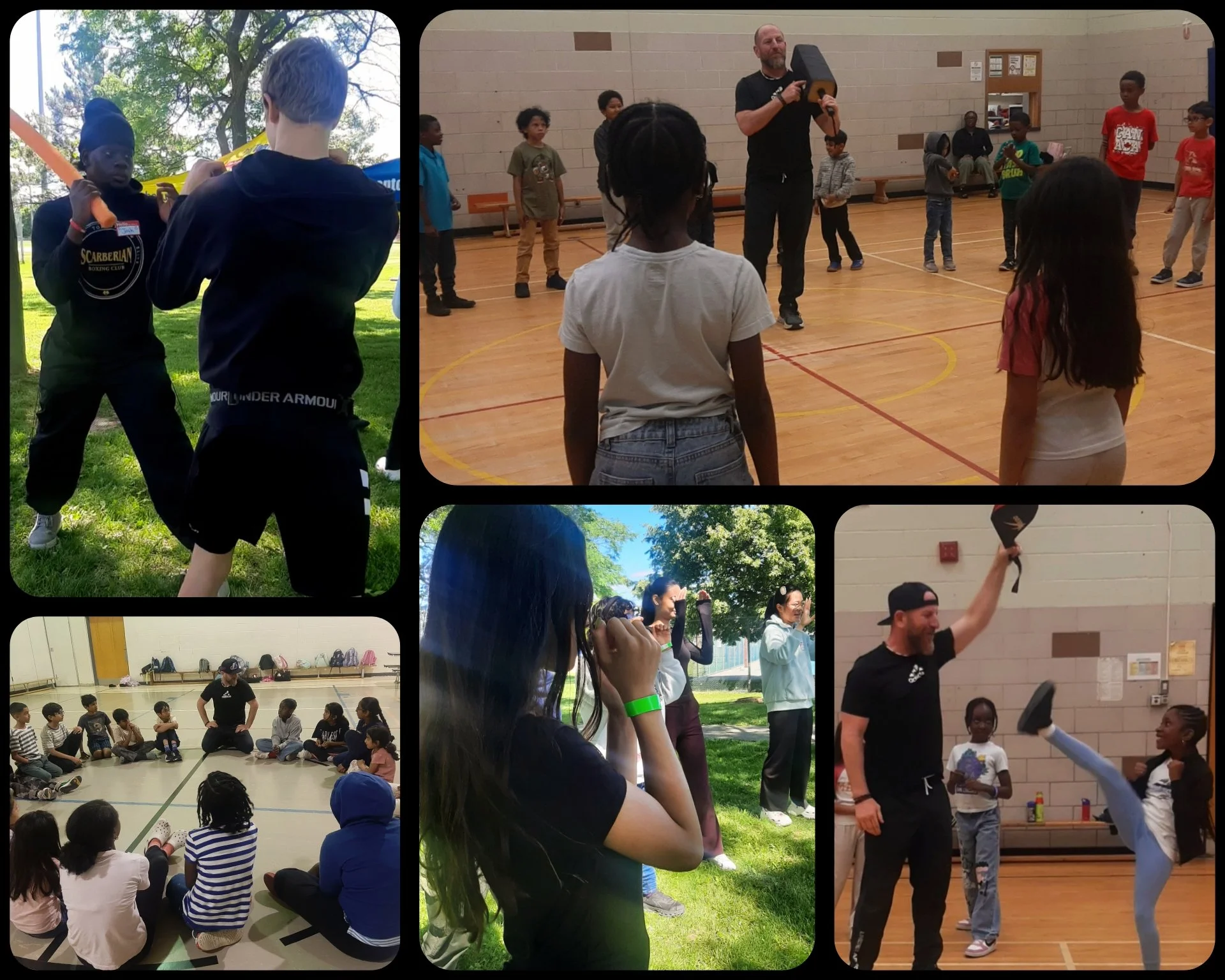
This Fall, I am running a one-time Back-to-School Street Safety Workshop specifically for girls ages 8 to 13 in the Bloor West–High Park area, alongside our monthly Women’s & Teen Girls Street Safety Workshops. Our street safety classes aren’t about making girls feel scared; it's about making them feel secure. Our hope is to give girls the confidence and awareness to tackle the school year - whether they are walking home from school, hanging out with friends, traveling by bus to a sports class, or heading to a volunteer opportunity.
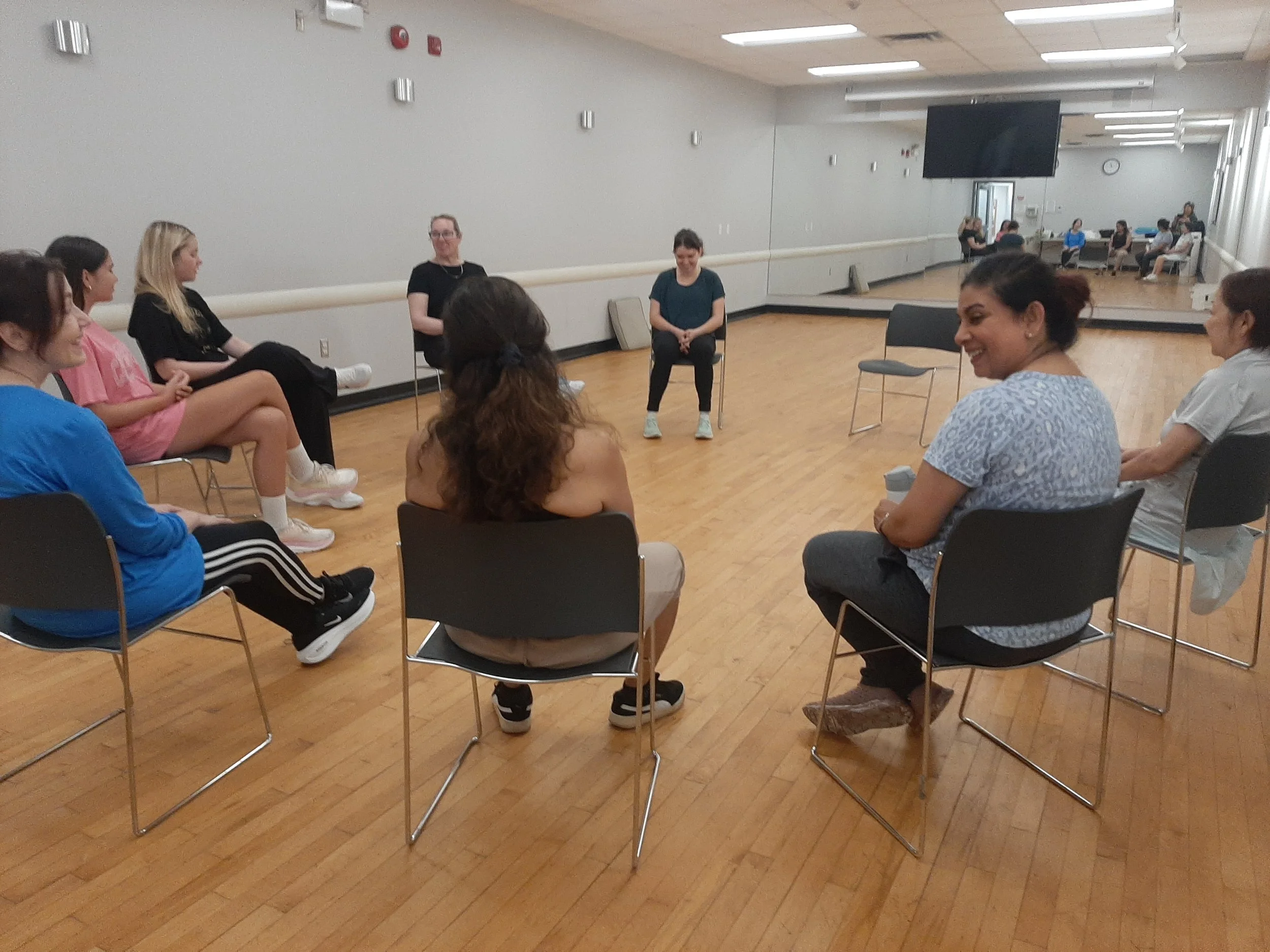
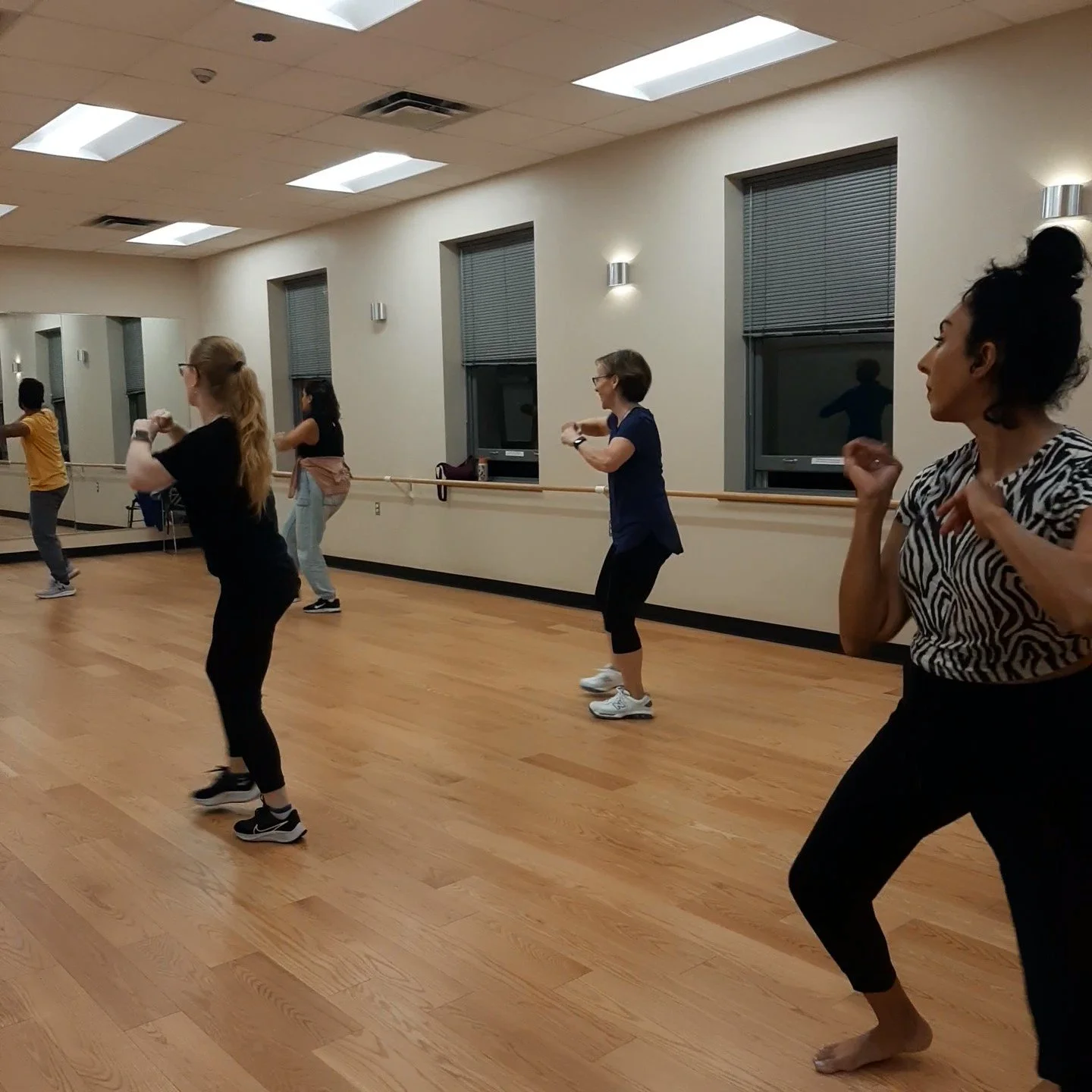
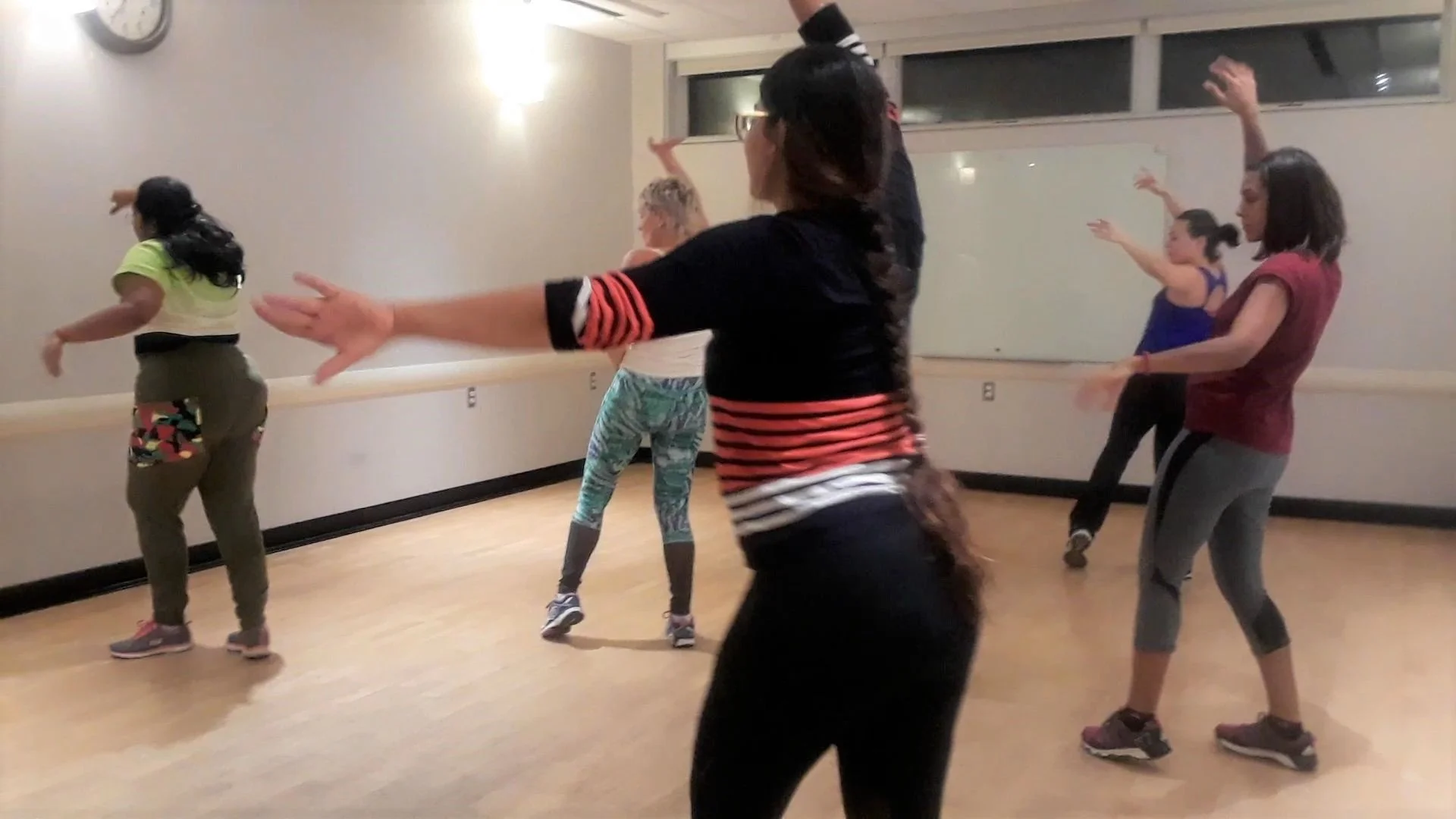
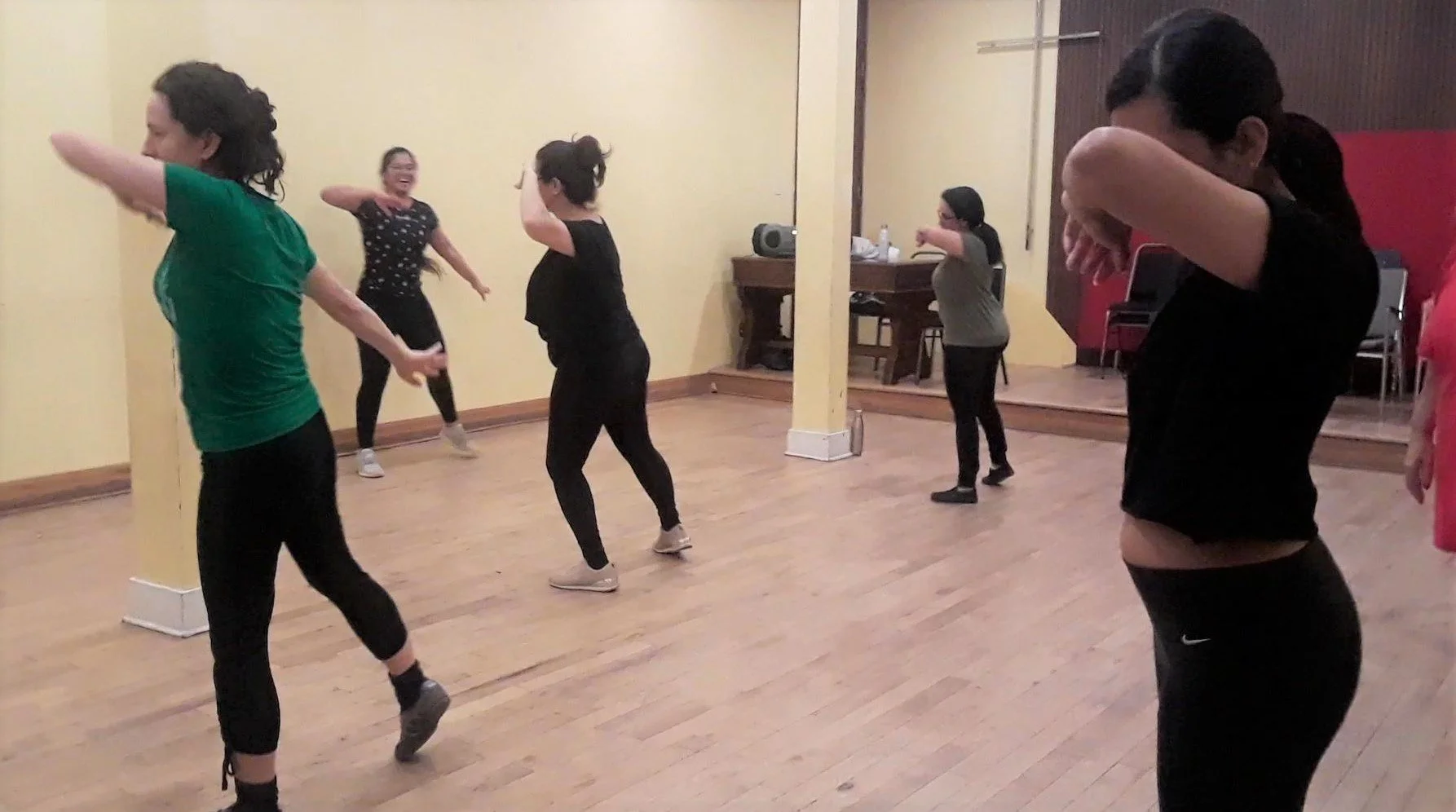
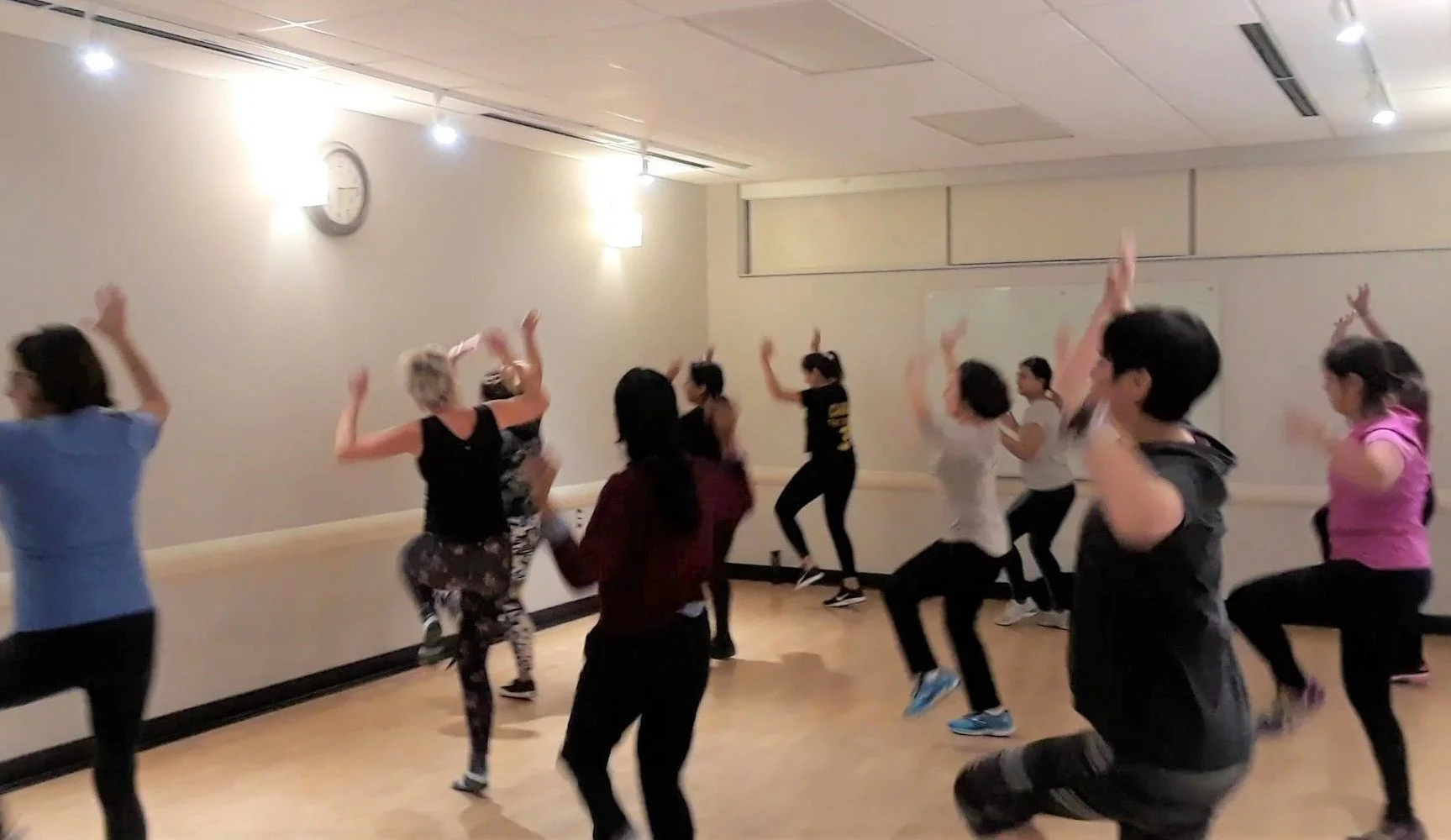
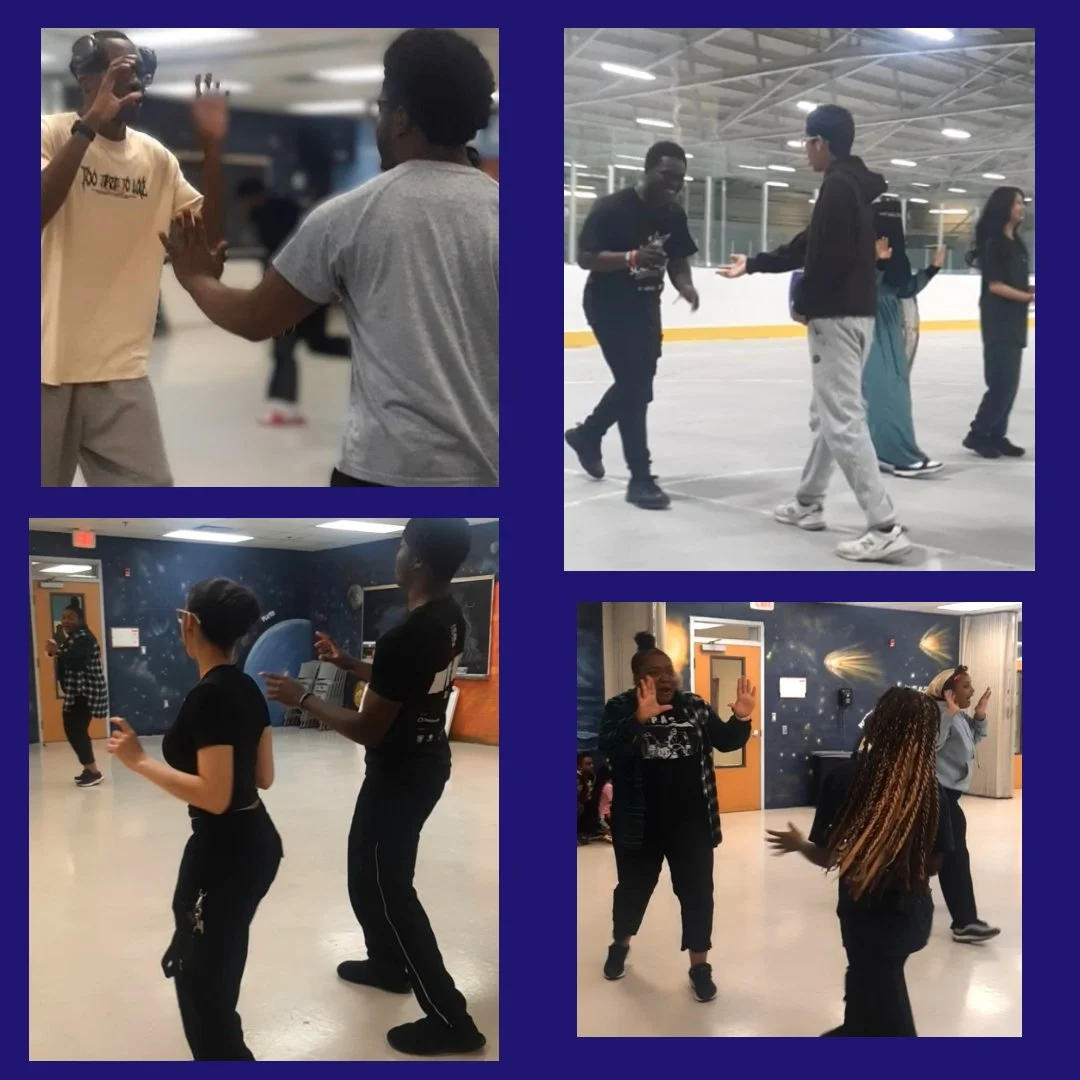
Our beginner-level safety classes are made to be safe, supportive, and led by coaches with years of experience working with both women and kids. Parents can rest easy knowing there is absolutely NO sparring or combat training involved. Instead, our classes are super fun! We use games, drills, and lots of group practice built around real-world scenarios so they can naturally retain what they learn.
Here is what they can expect to learn:
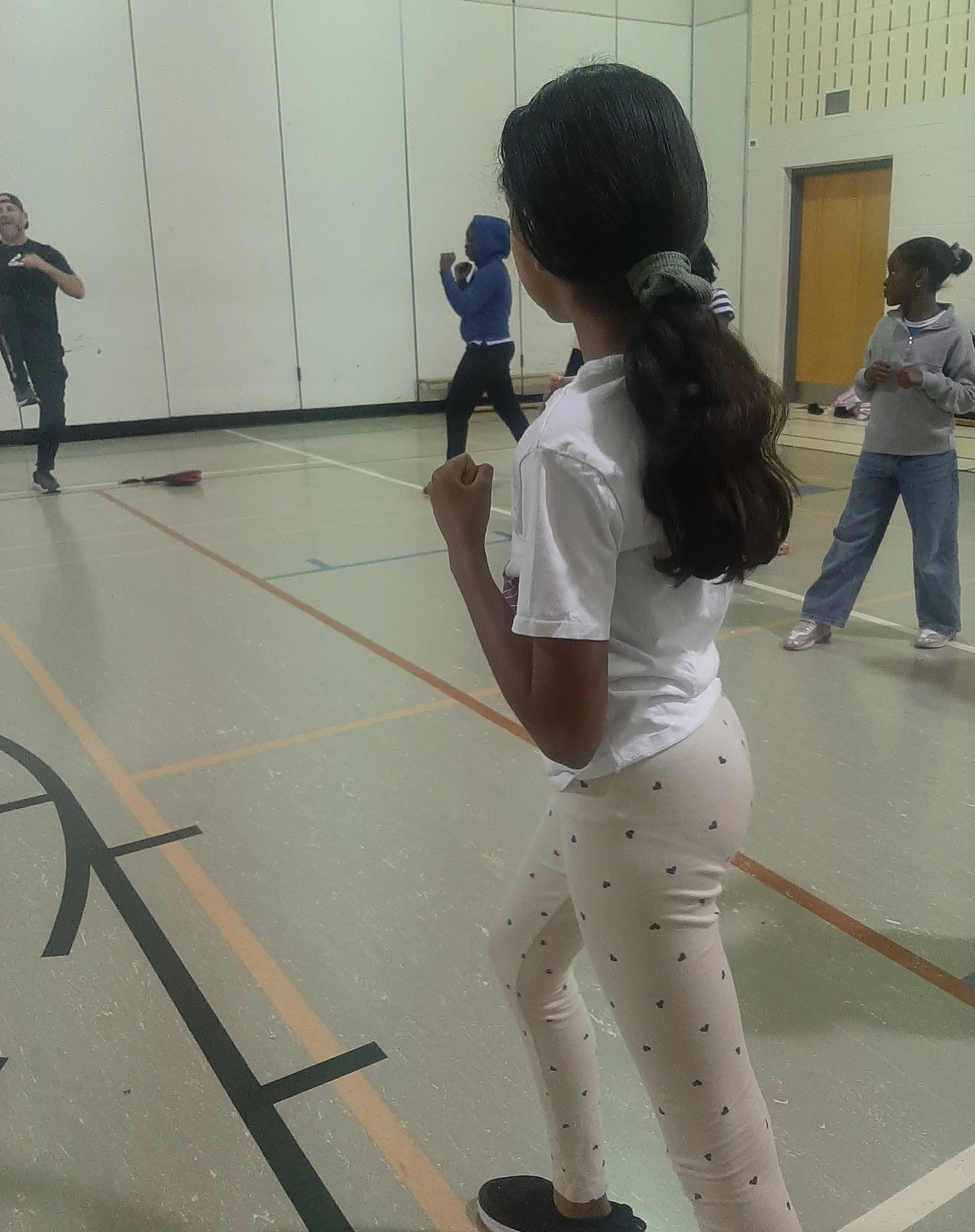
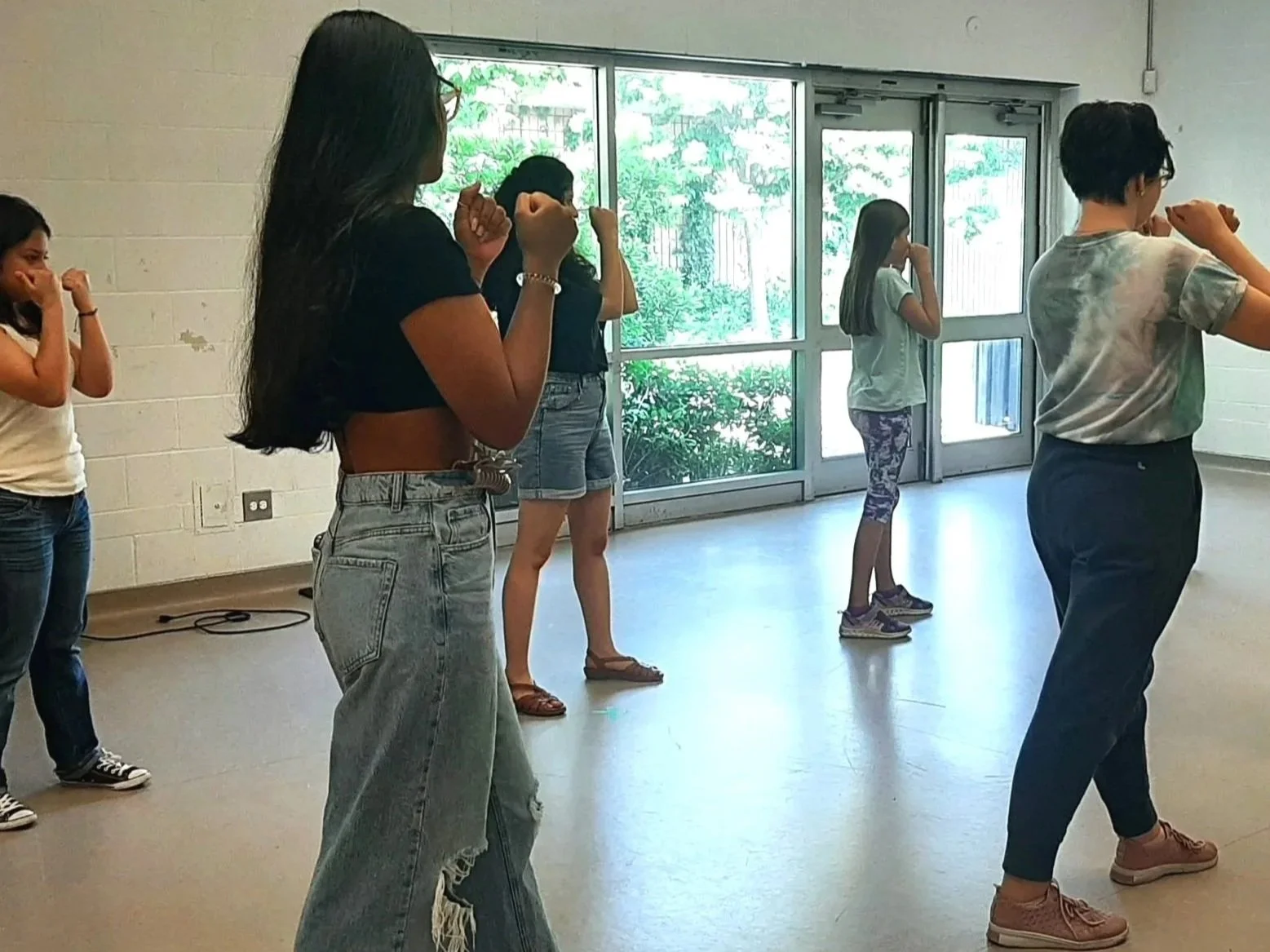
Beginner defensive stances: We teach strong stances and techniques to block and escape common attacks and grabs.
Situational awareness: Girls learn how to actively spot and avoid risky situations before they escalate.
Trusting gut instincts: We help them recognize that internal "radar" and know exactly what to do when a situation just doesn't feel right.
De-escalation tactics: They will practice using confident body language and strong words to successfully defuse and escape a situation.
To ensure every participant gets enough hands-on practice, we limit the class to just 12 spots. This workshop runs entirely based on advanced registration, so securing a place early is essential.
Private workshops are also available by request for schools, kids' clubs, sports teams, and community groups.
For schedules, fees, and to sign up, click here.