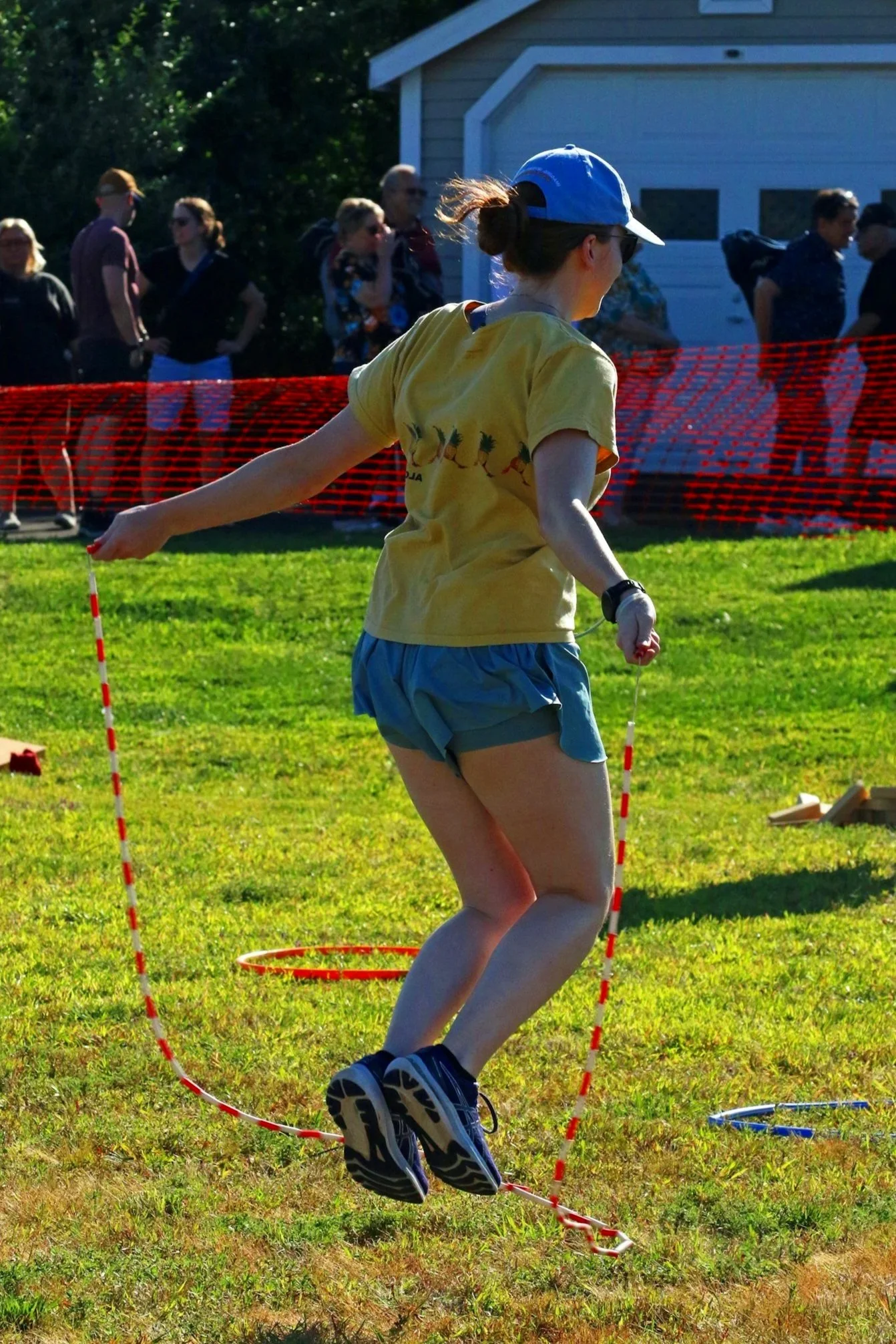
The Future of Youth & Kid Sports: Play-Based Physical Literacy + Strength
By: Sumera Garcia-Quadri
Social media is full of influencers talking about how youth sports injuries are coming from burnout right now. From where I stand, the issue seems to come down to 2 major factors.
Injuries are rising because kids bounce from one sport to the next without taking time to recover (like sleeping well, eating well, doing things they love, seeing a physio) and building basic athletic foundations (like physical literacy and strength). Also, many parents believe that playing 1 sport year-round is the ticket to going pro, but that isn’t always true.
While pandemic lockdowns, more screen time, and a lack of free strength and conditioning programs in Toronto schools are factors to add in, cultural and religious barriers are important for sports coaches and performance trainers to think about.
During my time at a kid’s sports charity and when sitting on the steering committee for the Afghan Women's Organization's Make the First Move program, I worked with newcomer and refugee women and girls. I saw firsthand how many arrived to Toronto having never walked freely or played sports openly. Many refugee children also come here without having played an organized sport taught by a coach who had some training in injury prevention and basic safety protocols. So, when kids with these back rounds are thrown straight into school sports without learning the basic fundamental movements, their bodies have a high chance of falling apart. And the thing that makes this so sad is that sports, dance, and physical activities have a tremendous impact on the lives of children from these back rounds. I mean many of the world’s top athletes grew up playing barefoot, in some of the harshest conditions!
Drawing On My Childhood in Sports, Martial Arts, and Dance
Growing up, my physical literacy came from yearly girls' baseball and basketball camps, Jeet Kune Do street self-defense in my later years, and dance. Back then, my grandparents didn't know about proper hydration, protein intake, rehab, or training cycles. If you got injured, you simply quit playing and never went back.
Whether a kid plays baseball, softball, lacrosse, or dances, the physical demands are actually similar. They all require rotational power, side-to-side movement, and the ability to slow down quickly. A baseball player swinging a bat uses the exact same core rotation and hip separation as a dancer executing a turn or a basketball player cutting to the hoop. Every single one of these activities requires kids to sprint, stop on a dime, change direction, and absorb force safely.
My Approach to Building Stronger and Faster Kids Who Have Fun
Running kids' fitness programs in Toronto's High Park area and with community clubs since 2018 has taught me that kids ages 6 to 17 thrive in a judgment-free zone. Whether they have 0 sports experience or solid basic skills, every kid moves at their own pace in a space where "giving it a go" matters most.
My Fundamental Movements curriculum gives kid’s (ages 6 to 10) the skills to enter sports, and my Performance curriculum (ages 10 to 17) includes strength and conditioning principals using the American BFS system. More info below
Ages 6 to 10 (Fundamental Movements): We use fun, game-based strategies and sports-related skills to get kids moving naturally. Teaching proper jumping and sprinting mechanics trains their nervous systems to absorb force safely - which helps to reduce severe knee, ankle, and shoulder injuries.
Ages 10 to 17 (Strength Training & Conditioning principals): Drawing from proven frameworks like Bigger Faster Stronger, we introduce youth to safe, progressive workouts focused on leg strength and upper body strength, with flexibility training tied in.
In 2027, my mission expands with specialized 8-week sport-specific strength and conditioning programs across Toronto community centers, gyms, and clubs. By combining game-based fun with fundamental movements, strength and conditioning, we are keeping kids playing for longer periods because they’re having fun and resilient.
For more info or to speak with me about running a program at your school, club or centre, please contact me here